

A nozzle is a device designed to control the direction or special gas flow (especially increasing velocity) of an object entering (or exiting) a closed chamber or pipeline. In terms of nozzles, hard alloy nozzles are the most durable and cost-effective.
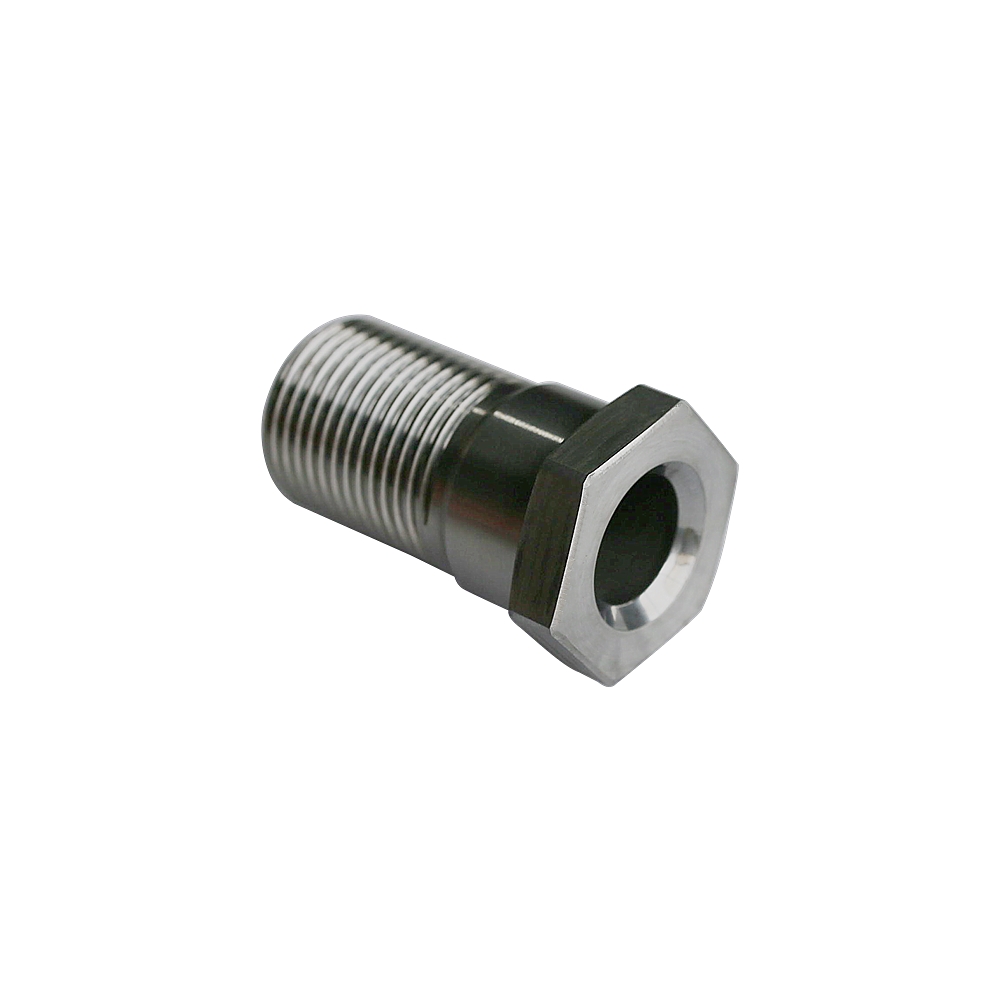
The advantages of hard alloy nozzles include corrosion resistance, long service life, excellent performance, high cost-effectiveness, and low wear resistance.
Hard alloy has a series of excellent properties such as high hardness, wear resistance, good strength and toughness, heat resistance, corrosion resistance, etc. Especially its high hardness and wear resistance remain basically unchanged even at a temperature of 500 ℃, and still have a high hardness at 1000 ℃.
Hard alloys are widely used as tool materials, such as turning tools, milling cutters, planers, drills, boring cutters, etc. They are used to cut cast iron, non-ferrous metals, plastics, chemical fibers, graphite, glass, stone, and ordinary steel. They can also be used to cut difficult to machine materials such as heat-resistant steel, stainless steel, high manganese steel, and tool steel.
When rough loading and unloading and media used for cutting abrasives (glass beads, steel shot steel sand, minerals or coal slag) are unavoidable, hard alloy nozzles provide the advantages of economy and longer service life. Traditionally, hard alloy has been the preferred material for hard alloy nozzles.
Hard alloy nozzles are widely used in industries such as surface treatment, sandblasting, painting, electronics, and chemical processes.
Hard alloy nozzles are widely used in industries such as surface treatment, sandblasting, painting, electronics, and chemical processes.