

Introduction:
Cemented carbide is a high-hardness, wear-resistant, and high-compressive-strength composite material produced via powder metallurgy. It consists of one or more refractory metal carbides (e.g., tungsten carbide, WC) as the hard phase and metal binders such as cobalt (Co), nickel (Ni), or iron (Fe) as the bonding phase.
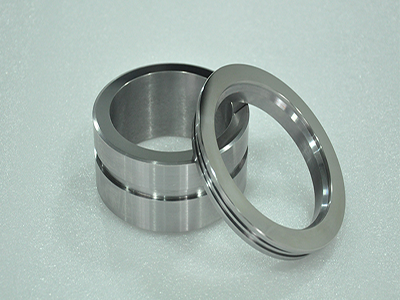
Characteristics:
- High hardness and wear resistance
- High compressive strength (up to 6000 MPa)
- Excellent stability
- Relatively high brittleness
- Heat-resistant
Compared to tool steel, cemented carbide extends tool life, increases cutting speed and labor efficiency, and improves workpiece precision and surface finish. It remains stable at 500°C and retains high hardness even at 1000°C.
Applications
1. Ice and Snow Applications
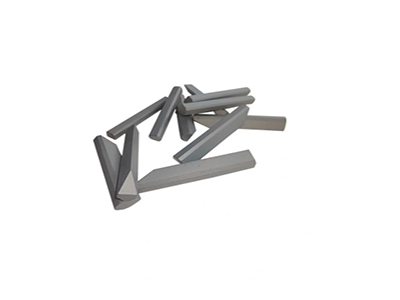
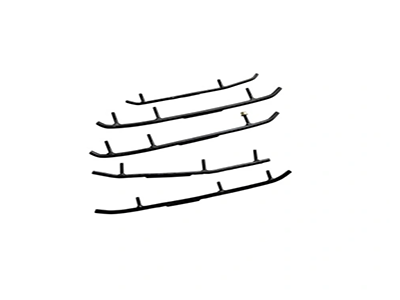
The tips of snowmobile runners are made of tungsten carbide, renowned for its extreme hardness and
durability. Carbide tips enhance traction, especially on icy trails or tight turns. Unlike traditional steel,
tungsten carbide resists wear from ice and snow, extending ski lifespan and improving snowmobile
control.
- Snow Removal Equipment:
Cemented carbide inserts are widely used in snow blower drive systems, withstanding high-speed friction
and wear to ensure transmission stability and reliability. Their high hardness reduces friction between
blades and snow, improving snow removal efficiency.
2. Cutting Tools (By Application Category)
- P-Class:
TiC/WC-based alloys with Co (Ni+Mo, Ni+Co) binder or coated alloys. Used for long-chip materials like
steel, cast steel, and malleable cast iron.
- M-Class:
WC-based alloys with Co binder and small TiC additions (or coated alloys). Used for stainless steel, cast
steel, manganese steel, alloy steel, and malleable cast iron.
- K-Class:
WC-based alloys with Co binder and small TaC/NbC additions (or coated alloys). Used for short-chip
materials like cast iron, chilled cast iron, and gray cast iron.
- N-Class:
WC-based alloys with Co binder and small TaC/NbC/CrC additions (or coated alloys). Used for non
ferrous metals and non-metallic materials like aluminum, magnesium, plastics, and wood.
- S-Class:
WC-based alloys with Co binder and small TaC/NbC/TiC additions (or coated alloys). Used for heat
resistant and high-performance alloys, including heat-resistant steel and nickel/cobalt/titanium alloys.
- H-Class:
WC-based alloys with Co binder and small TaC/NbC/TiC additions (or coated alloys). Used for hard
machining materials like hardened steel and chilled cast iron.
3. Geological and Mining Tools (By Application Part)
- A: Rock drill bits
- B: Geological exploration tools
- C: Coal mining tools
- D: Mining/oil drill bits
- E: Composite substrate alloys
- F: Snowplow blades
- W:Excavator teeth
- Z:Others
4. Wear-Resistant Components (By Application Field)
- S: Wire, rod, and tube drawing (e.g., dies, sealing rings)
- T: Stamping dies (e.g., fastener stamping, steel ball forming dies)
- Q: High-temperature, high-pressure components (e.g., synthetic diamond anvils, pressure cylinders)
- V: Wire rolling mill rings (e.g., high-speed wire finishing stands)