

For decades, sealing was about creating a physical barrier. Today, it's about engineering a dynamic, intelligent system capable of predictive maintenance and unparalleled performance. The future of sealing is here, and it’s unlocking levels of durability and efficiency previously thought impossible.
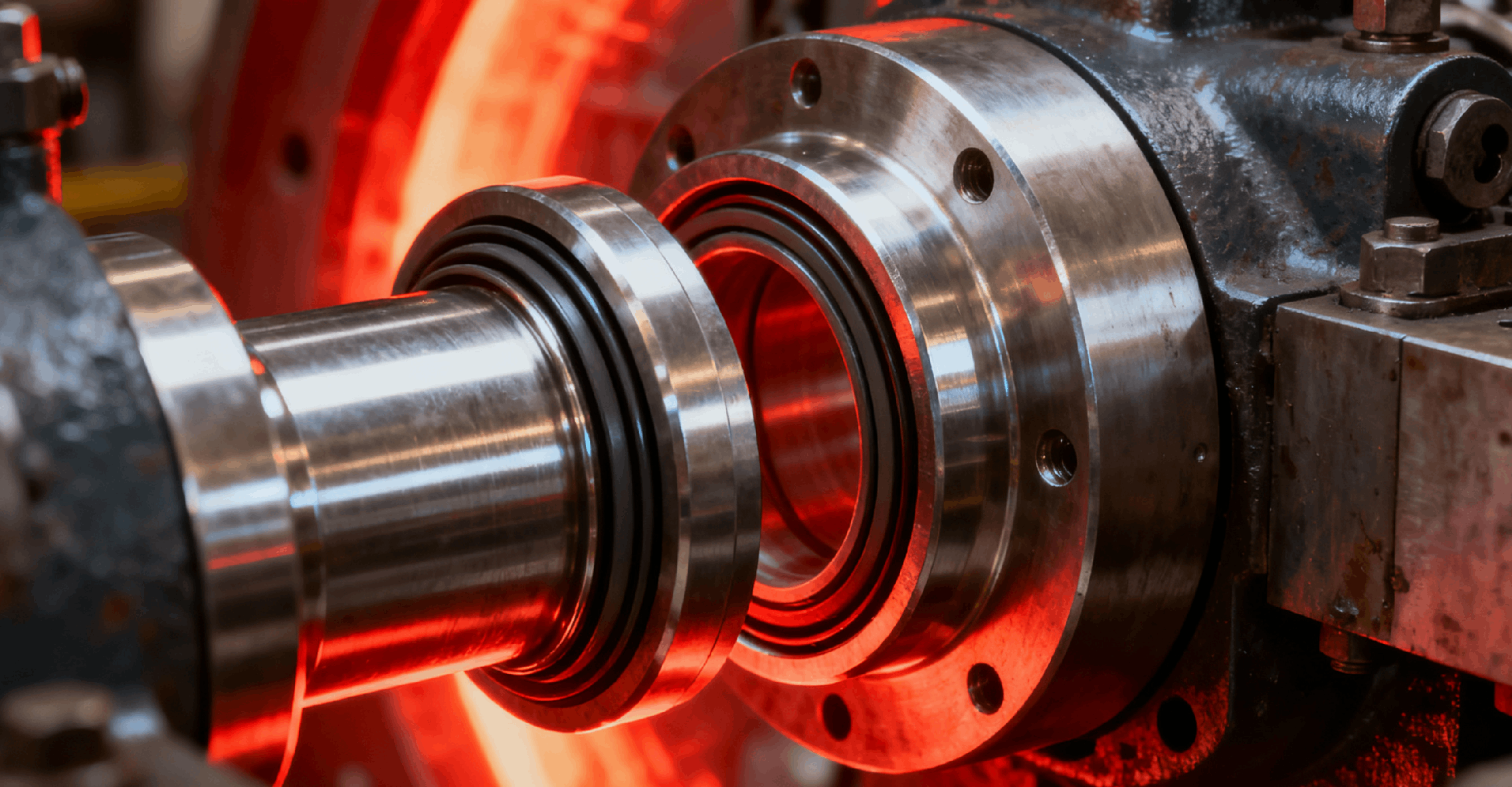
The High Cost of Conventional Sealing Failure
Why does the evolution of sealing technology matter so much? The answer lies in the staggering cost of failure. A compromised seal in a high-temperature application can lead to:
1.Catastrophic Equipment Downtime: Unplanned stoppages that cost millions per hour in sectors like energy and manufacturing.
2.Environmental and Safety Hazards: Leaks of hazardous fluids or gases pose severe risks to personnel and the environment.
3.Product Contamination: In food & beverage or pharmaceutical processing, a tiny seal failure can spoil an entire batch, leading to massive recalls and brand damage.
Traditional materials like standard nitrile rubber or PTFE often reach their physical limits, cracking under extreme thermal cycling, degrading from chemical corrosion, or abrading under relentless friction. The market is demanding more, and the industry is responding with groundbreaking innovations.
Core Innovations Shaping the Future of Sealing
The next generation of advanced sealing solutions is being built on three foundational pillars:
1. Advanced Material Science: The Engine of Durability
The true heroes of modern seals are the engineered materials they are made from. We are moving beyond generic compounds to highly specialized polymers and elastomers designed for specific chemical resistance and extreme temperature performance.
Perfluoroelastomers (FFKM): Once a niche material, FFKM is becoming more accessible for the most aggressive environments, offering exceptional resistance to acids, bases, and solvents at temperatures exceeding 300°C.
High-Performance Polyurethanes (HPU): For applications demanding superior abrasion resistance and high load-bearing capacity, HPUs are extending seal life in heavy-duty hydraulic systems.
Composite and Hybrid Materials: By combining polymers with reinforcing agents like carbon fiber or aramid, engineers are creating seals with enhanced mechanical properties, reduced friction, and improved thermal conductivity.
2. Smart Seals and the IoT Revolution
The concept of a "dumb" gasket or O-ring is becoming obsolete. The integration of Micro-Electro-Mechanical Systems (MEMS) and IoT sensors is giving birth to smart sealing solutions.
Imagine a seal that can monitor its own health. Embedded sensors can track:
Real-time temperature and pressure data across the seal face.
Degradation levels by measuring changes in electrical conductivity or physical strain.
Leak detection at the moment it begins, not when it becomes a visible problem.
This data enables predictive maintenance, allowing operators to replace a seal during a planned shutdown, utterly eliminating unplanned downtime and transitioning from a reactive to a proactive operational model.
3. Precision Engineering and Simulation
The performance of a seal is not just about what it's made of, but how it's designed. Using Finite Element Analysis (FEA) and Computational Fluid Dynamics (CFD), engineers can now simulate how a seal will behave under specific dynamic sealing loads, thermal cycles, and fluid exposures before a prototype is ever made.
This precision engineering ensures an optimal seal geometry for the application, minimizing stress concentrations, optimizing the contact pressure distribution, and ultimately maximizing service life and operational efficiency.
Practical Applications: Where the Future is Already in Play
These innovations are not just theoretical. They are delivering tangible results today:
Renewable Energy: In offshore wind turbines, seals capable of withstanding saltwater corrosion, constant wave motion, and high-pressure conditions are critical for the reliability of hydraulic pitch and yaw systems.
Electric Vehicle (EV) Manufacturing: Battery and electric motor production require seals that offer exceptional thermal stability and electrical insulation to ensure safety and performance.
Aerospace & Defense: From jet engines to hydraulic actuators, components face rapid thermal cycling and extreme pressures. Advanced seals are vital for safety, fuel efficiency, and mission success.
Conclusion: Sealing as a Strategic Advantage
The future of sealing is no longer just about preventing leaks. It's about embracing a technology that directly enhances equipment longevity, energy efficiency, and total cost of ownership. By leveraging advanced sealing solutions built on smart materials, IoT connectivity, and precision design, engineers and plant managers can transform a mundane component into a strategic asset.
The question is no longer if your sealing solution will fail, but whether you have the foresight to invest in the technology that prevents it from failing at all.