

In the demanding world of industrial manufacturing, efficiency, durability, and precision are non-negotiable. Among the myriad components that keep production lines running smoothly, tungsten carbide rolls stand out as a critical element in metalworking and processing industries. But what makes these rolls so exceptionally suited for heavy-duty applications? This article delves into the unique properties, advantages, and practical applications of tungsten carbide rolls, explaining why they are the top choice for industries worldwide.
Unmatched Durability and Wear Resistance
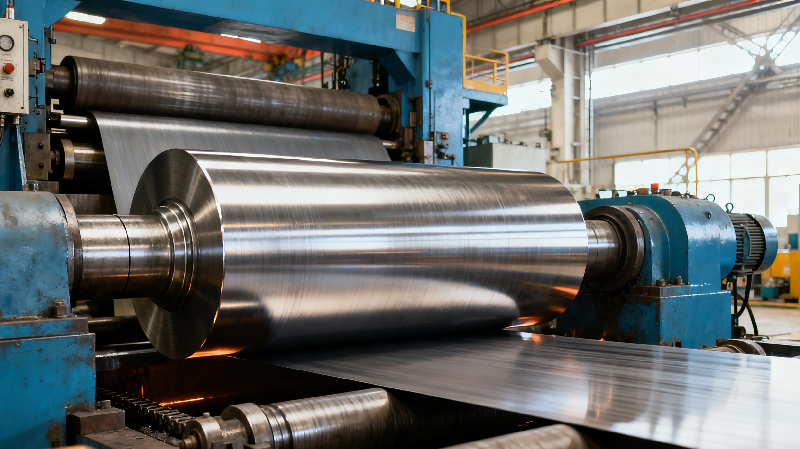
Tungsten carbide rolls are renowned for their exceptional hardness and resistance to wear. Composed of tungsten carbide particles bonded in a cobalt or nickel matrix, these rolls outperform traditional steel rolls in harsh environments. They withstand extreme pressures, high temperatures, and abrasive conditions without significant degradation. This wear resistance translates to extended service life, reducing the frequency of replacements and minimizing downtime—a key factor in boosting operational efficiency.
Superior Performance in High-Speed Rolling Mills
In high-speed rolling mills, consistency is crucial. Tungsten carbide rolls maintain dimensional stability under intense mechanical stress, ensuring uniform product quality in processes like wire flattening, bar rolling, and strip processing. Their ability to resist thermal expansion and corrosion makes them ideal for high-speed rolling applications, where even minor deviations can lead to costly defects. Industries relying on precision engineering, such as automotive and aerospace, benefit immensely from this reliability.
Cost-Effectiveness and Long-Term Savings
While the initial investment in tungsten carbide rolls may be higher than alternatives, their longevity and reduced maintenance needs lead to significant cost savings over time. By minimizing roll changes and production halts, businesses can achieve higher throughput and lower total cost of ownership. This makes them a smart choice for industrial roll solutions aimed at optimizing budget and resources.
Versatility Across Multiple Industries
From steel manufacturing to non-ferrous metal processing, tungsten carbide rolls are versatile enough to handle diverse materials. They excel in:
lWire and rod rolling: Providing smooth surfaces and precise tolerances.
lTube and pipe manufacturing: Ensuring consistent wall thickness and diameter.
lStrip and sheet rolling: Delivering high-quality finishes with minimal surface defects.
Their adaptability makes them indispensable in sectors like construction, energy, and consumer goods.
Enhanced Surface Finish and Product Quality
The hardness and fine-grained structure of tungsten carbide allow for superior surface finishes on rolled products. This is particularly important in industries where aesthetic appeal and functional performance are paramount. By reducing surface imperfections, these rolls help manufacturers meet stringent quality standards and enhance customer satisfaction.
Conclusion
Tungsten carbide rolls represent a pinnacle of material engineering, offering durability, precision, and efficiency that are essential for modern industrial operations. By investing in these robust components, businesses can enhance productivity, reduce costs, and maintain a competitive edge. Whether you're involved in metal forming, processing, or finishing, tungsten carbide rolls are a proven solution for achieving exceptional results.