

Understanding the Adversaries: Extreme Wear & Destructive Cavitation
Before diving into the solution, let's diagnose the problem. In oil & gas production, refining, chemical processing, and power generation, control valves face two primary destroyers:
1.Extreme Abrasive Wear: The flow of sand-laden fluids, catalysts, slurry, or other particulate matter acts like sandpaper, rapidly eroding standard trim materials (e.g., 316SS, 17-4PH). This leads to altered flow characteristics, reduced seal integrity, and ultimately, catastrophic failure.
2.Cavitation: In high-pressure drop scenarios, liquid pressure can fall below its vapor pressure, forming bubbles. These bubbles then implode violently against metal surfaces when pressure recovers. This implosion generates micro-jets of incredible force, pitting and eroding the trim—often resembling a cratered landscape. It's a primary culprit for noise, vibration, and rapid valve destruction.
Standard hardened trims or even stellite overlays can succumb to these forces in months or weeks, leading to unplanned shutdowns, lost production, and soaring maintenance costs.
The Engineered Solution: Tungsten Carbide Choke & Bean Trim
The answer lies in moving beyond traditional metallurgy to advanced wear-resistant materials. Enter Tungsten Carbide—a sintered composite material renowned for its exceptional hardness, compressive strength, and resistance to abrasion and erosion.
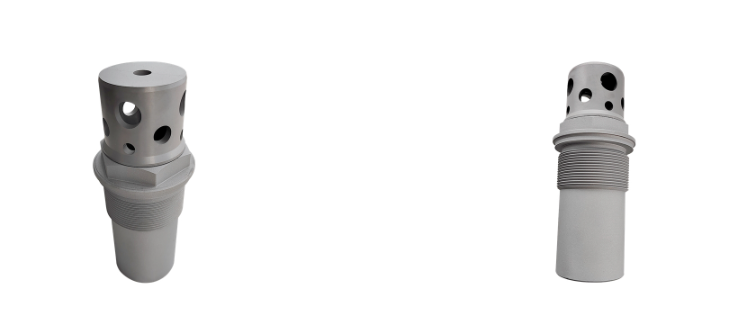
A Carbide Choke Valve equipped with a Bean Valve Trim crafted from tungsten carbide is specifically engineered for severe service:
lUnmatched Hardness: Tungsten carbide boasts a hardness significantly greater than hardened steel or stellite, making it nearly impervious to abrasive particles.
lSuperior Cavitation Resistance: Its exceptional compressive strength allows it to withstand the punishing micro-jet impacts of cavitation bubble collapse far better than any metallic alloy.
lExtended Service Life: In applications destroying standard trim in 3-6 months, carbide trim can last 5 to 10 times longer, transforming maintenance cycles and ROI.
lPrecision-Machined Beans: The "bean" refers to the multi-stage tortuous path machined into the trim stack. This design forces the fluid through a series of controlled expansions and contractions, effectively staging the pressure drop to manage velocity and mitigate cavitation at its source.
Key Applications for Carbide Trim Solutions
This technology is not for every valve, but it is critical for specific high-pressure flow control challenges:
lOil & Gas: Choke valves on wellheads, production manifolds, and HP injection lines handling produced water, frac flows, and sand.
lMining & Mineral Processing: Slurry control valves handling highly abrasive mixtures.
lChemical & Petrochemical: Severe service let-down applications where cavitation and erosion are combined.
lPower Generation: High-pressure feedwater let-down and bypass systems.
Beyond the Material: The Importance of Precision Engineering
Selecting tungsten carbide is only half the battle. The design of the bean trim is equally critical. A properly engineered multi-stage bean trim:
lManages fluid velocity to stay within acceptable limits.
lDistributes the pressure drop across multiple stages, preventing a single, cavitation-inducing pressure collapse.
lCan be customized (custom bean profiles) for specific flow rates (Cv values), pressure drops, and fluid properties.
This ensures the valve isn't just hard, but also optimized for control and longevity.
Conclusion: Investing in Ultimate Durability
For operations plagued by frequent trim failures, relentless downtime, and the safety risks of component failure under pressure, the upgrade to a Carbide Choke & Bean Valve Trim is a strategic decision. It represents a shift from a reactive maintenance model to one of predictive, reliable operation.
When evaluating solutions, look for suppliers with proven expertise in severe service valve trim, who offer complete carbide trim solutions—from material selection and advanced bean design to precision manufacturing and testing. Specify tungsten carbide trim for choke valves in your next project involving abrasive or cavitating service and experience the transformation in durability, cost savings, and operational peace of mind.