

Why Standard Blades Fail in Modern Shredding Environments
Today's recycling and size-reduction challenges involve processing diverse material streams. One load might contain abrasive plastics with glass fillers, followed by tough aerospace composites or woven metal cables. This high-mix material processing creates a perfect storm of wear mechanisms:
lAbrasive Wear: From fiberglass, minerals, and contaminated plastics.
lImpact Fatigue: From irregular, hard objects striking the cutting edge.
lCorrosion: From moisture or chemical content in waste streams.
Standard steel or tool steel knives, even when hardened, simply cannot withstand this multifaceted assault for long. They dull quickly, chip, or require constant re-sharpening, leading to unpredictable shredder performance and excessive shredding operation costs.
The Carbide Advantage: Built for Extreme Duty
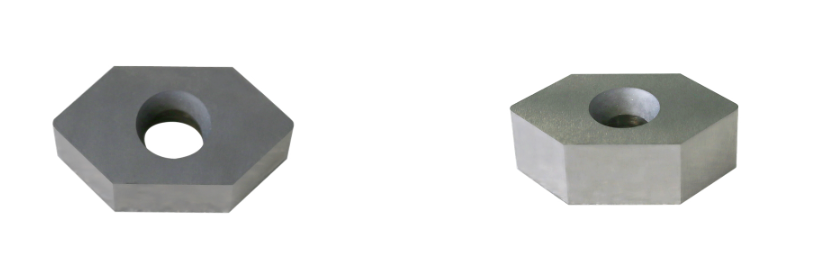
Tungsten carbide shredder blades represent a paradigm shift in cutting technology. Carbide is a sintered composite material, combining ultra-hard tungsten carbide particles with a tough cobalt binder. This results in a cutting edge that possesses a unique synergy of properties critical for demanding applications:
1.Exceptional Hardness & Wear Resistance: Carbide maintains a hardness far superior to even the best tool steels at high temperatures. This directly translates to reduced abrasive wear, allowing the knives to stay sharper exponentially longer when processing abrasive industrial waste or reinforced plastics.
2.Superior Impact Strength (Toughness): Modern carbide grades are engineered for high-impact shredding applications. The microstructure is optimized to absorb energy, resist chipping, and withstand the shocks of shredding mixed metals or electronics (e-waste), making them ideal for solid waste reduction.
3.Extended Service Life & Predictability: This combination of wear and impact resistance culminates in a dramatically extended knife service life. Users often report a 10x to 20x lifespan increase compared to steel blades. This predictability allows for better maintenance scheduling, reducing unplanned downtime and improving overall equipment effectiveness (OEE) for your industrial shredder.
Key Applications for Carbide Shredder Knives
Investing in carbide knives delivers the highest return in the most challenging scenarios:
lE-Waste Recycling: Shredding circuit boards, hard drives, and mixed electronics containing friable ceramics and precious metals.
lAerospace & Carbon Fiber Composites: Reducing scrap from high-strength, abrasive composite materials.
lTire & Rubber Shredding: Handling steel-belted tires and highly abrasive rubber compounds.
lMetalworking Scrap: Processing turnings, borings, and mixed light gauge metals.
lPlastic Recycling: Especially filled plastics (glass, mineral), PUR foam, and tough engineering plastics like nylon.
Maximizing Your Investment: Selection & Maintenance
To fully leverage the benefits of carbide-tipped shredder knives, consider these factors:
lMaterial-Specific Geometry: The knife profile (hook angle, relief angle) should be tailored to your primary material stream—whether it's for shearing plastic film or fracturing brittle composites.
lPrecision Grinding & Balancing: Carbide knives require diamond wheel grinding. Ensure your supplier or in-house team can provide precision sharpening services to maintain the original geometry and balance, preventing vibration and premature wear.
lTotal Cost of Ownership (TCO): While the upfront cost of carbide cutting blades is higher, the TCO is significantly lower. Factor in the savings from reduced changeover time, lower labor costs, higher throughput, and consistent output particle size.
Conclusion: A Strategic Upgrade for Unmatched Reliability
In an industry where throughput, cost-per-ton, and reliability are paramount, carbide shredder machine knives are not just an accessory—they are a strategic operational upgrade. By conquering the challenges of high-mix and high-impact material shredding, they deliver on the core promise of exceptionally extended service life. This translates directly to fewer interruptions, lower consumable costs, and a more profitable, sustainable shredding operation.
Upgrade your shredding resilience. Invest in carbide—where extreme durability meets long-term operational economy.