

Mechanical seals are crucial components in various industrial applications, ensuring the integrity and efficiency of fluid handling systems. In this blog, we will explore different types of mechanical seals, including Single Mechanical Seals, Double Mechanical Seals, and Cartridge Mechanical Seals.
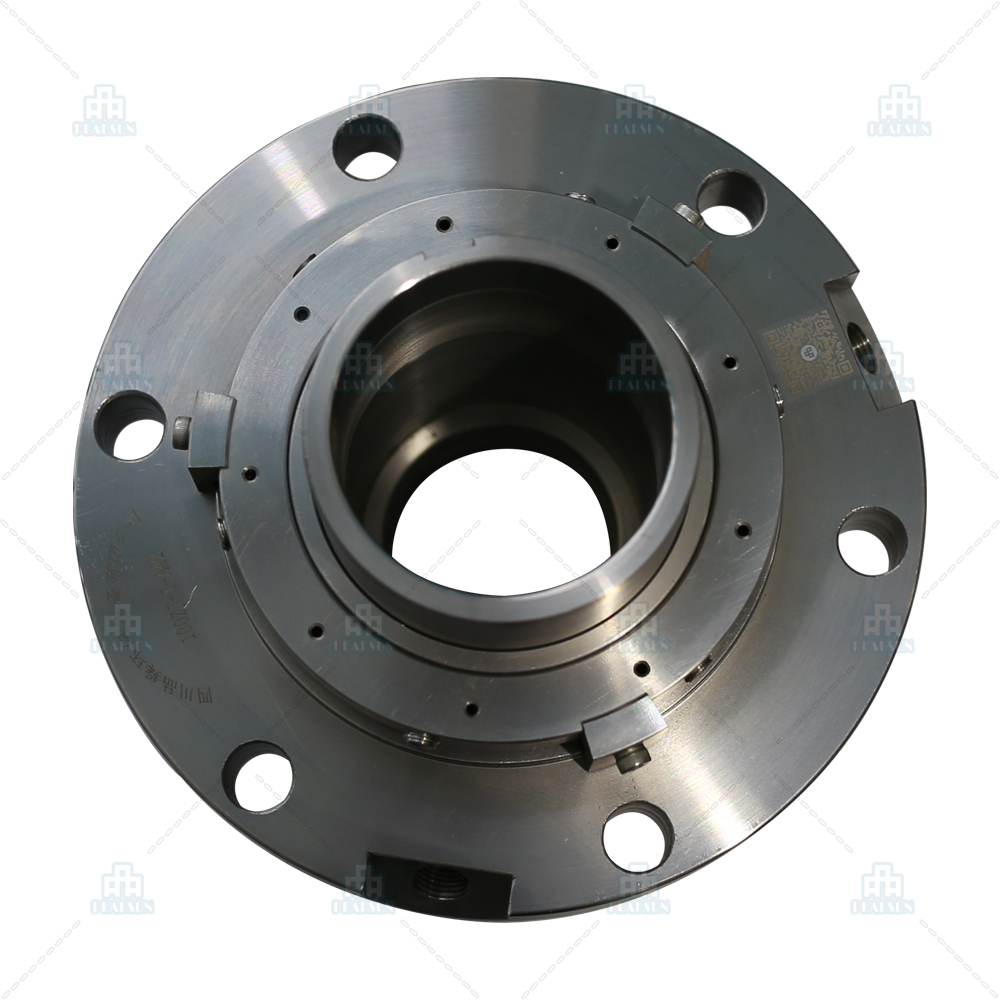
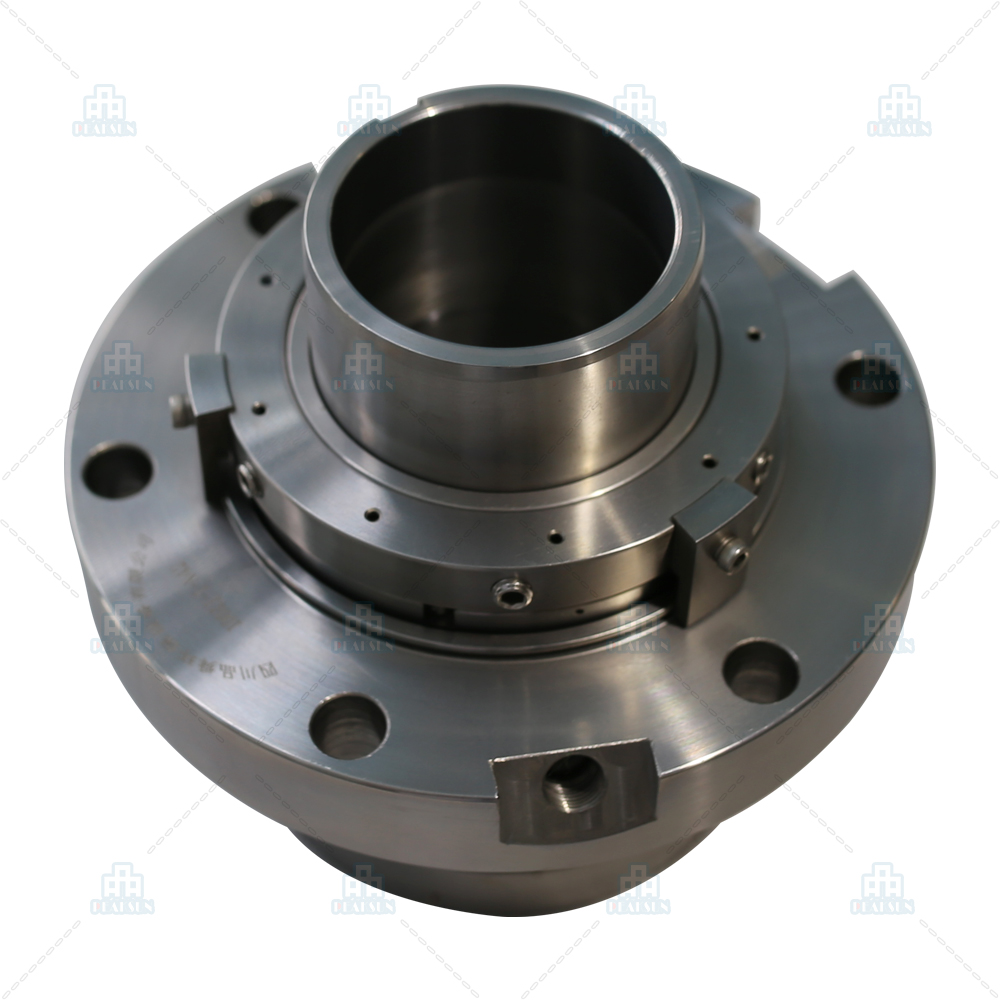
Single Mechanical Seals
What are Single Mechanical Seals?
Single mechanical seals are the most basic and commonly used type. They consist of a rotating seal face and a stationary seal face. The rotating face is attached to the shaft of the equipment, while the stationary face is fixed to the housing. These two faces are pressed together with a spring or other means to create a seal that prevents the leakage of the fluid being contained.
Advantages of Single Mechanical Seals
• Simplicity: They are relatively simple in design and installation, making them cost-effective and easy to maintain.
• Suitable for Many Applications: Single mechanical seals are suitable for a wide range of applications where the fluid being handled is not highly corrosive or abrasive and the leakage requirements are not extremely strict. For example, in many general-purpose pumps used in industries like water treatment or basic chemical processing.
Limitations
• Limited Leakage Protection: While they provide a reasonable level of sealing, they may not be sufficient in applications where zero leakage is essential or where the fluid being handled is highly hazardous. In such cases, a more advanced seal type may be required.
Double Mechanical Seals
How Do Double Mechanical Seals Work?
Double mechanical seals have two sets of seal faces, with a buffer fluid in between them. The primary seal faces work in a similar way to single mechanical seals, preventing the main fluid from leaking out. The secondary seal faces, along with the buffer fluid, provide an additional layer of protection. If the primary seal fails, the buffer fluid acts as a barrier to prevent the leakage of the main fluid into the environment.
Advantages of Double Mechanical Seals
• Enhanced Leakage Prevention: They offer significantly better leakage protection compared to single mechanical seals, making them ideal for applications where safety and environmental regulations are strict. For example, in the chemical and petrochemical industries where the handling of hazardous and toxic fluids is common.
• Improved Reliability: The presence of the secondary seal and buffer fluid also increases the reliability of the sealing system. In case of a minor failure in the primary seal, the secondary seal can provide temporary protection until maintenance can be carried out.
Considerations
• Complexity and Cost: Double mechanical seals are more complex in design and installation, which leads to higher costs. They also require proper management of the buffer fluid system, including its selection, monitoring, and maintenance.
Cartridge Mechanical Seals
What is a Cartridge Mechanical Seal?
A cartridge mechanical seal is a pre-assembled and self-contained sealing unit. It includes all the necessary components, such as the seal faces, springs, and other parts, in a single cartridge. This makes installation extremely easy and reduces the risk of installation errors.
Advantages of Cartridge Mechanical Seals
• Ease of Installation: The pre-assembled nature of cartridge mechanical seals means that they can be quickly and easily installed, saving time and labor during equipment maintenance or installation.
• Consistent Performance: Since they are manufactured and assembled under controlled conditions, cartridge mechanical seals offer consistent and reliable performance. They are less likely to be affected by improper installation or assembly errors that can occur with traditional mechanical seals.
• Compact Design: They often have a more compact design, which can be beneficial in applications where space is limited.
Applications
• Pumps and Agitators: Cartridge mechanical seals are widely used in pumps and agitators in various industries, including food and beverage, pharmaceuticals, and wastewater treatment. Their ease of installation and reliable performance make them a popular choice for these applications.
In conclusion, each type of mechanical seal - Single Mechanical Seals, Double Mechanical Seals, and Cartridge Mechanical Seals - has its own unique characteristics, advantages, and limitations. Understanding these differences is essential for selecting the right mechanical seal for a specific application. Whether it's for a simple pumping operation or a complex industrial process involving hazardous fluids, the choice of the appropriate mechanical seal can have a significant impact on the performance, reliability, and safety of the entire system. By carefully considering the requirements of the application, engineers and operators can make an informed decision to ensure optimal sealing performance and longevity of the equipment. So, the next time you come across a fluid handling system, take a moment to appreciate the important role that mechanical seals play in keeping everything running smoothly and leak-free.