

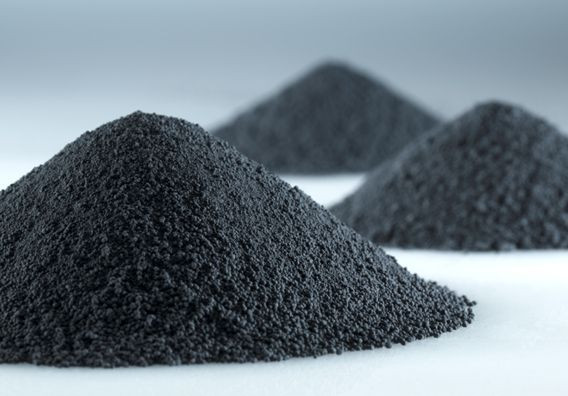
Why Are Tungsten Prices Rising?
Tungsten, often dubbed the "steel of the smartworld," is prized for its exceptional hardness, high melting point, and corrosion resistance. However, its supply chain is highly concentrated, with China dominating nearly 80% of global production. Recent disruptions—including stricter environmental regulations, energy shortages in key producing regions, and geopolitical trade tensions—have severely constrained output. At the same time, demand for tungsten has surged, particularly from the aerospace and defense sectors, where it is used in turbine blades, ammunition, and radiation shielding. The electronics industry also relies heavily on tungsten for semiconductors and conductive components, further straining supplies.
Key Drivers of the Tungsten Supply Shortage
1. Geopolitical and Trade Policies: Export restrictions in major producing countries, coupled with tariffs and logistics bottlenecks, have limited the availability of tungsten in international markets.
2. Environmental Regulations: Stricter mining and processing standards, especially in China, have reduced output while increasing production costs.
3. Energy Crises: Power shortages in industrial hubs have forced smelters to curtail operations, exacerbating supply gaps.
4. Rising Demand from Emerging Technologies: Tungsten’s use in electric vehicle (EV) batteries, 5G infrastructure, and renewable energy systems has added pressure to an already tight market.
Impact on Industries and Global Supply Chains
The price surge is reverberating across global supply chains. Manufacturers are grappling with higher production costs, longer lead times, and increased volatility in procurement. For example, the automotive industry faces challenges in sourcing tungsten for cutting tools and engine components, while the mining and construction sectors are contending with rising prices for tungsten-carbide drill bits and machinery. Smaller businesses, in particular, are feeling the pinch, as they lack the bargaining power to secure stable contracts.
Strategies to Mitigate Tungsten Supply Risks
Businesses can take proactive steps to manage tungsten supply chain disruptions:
lDiversify Sourcing: Explore suppliers in emerging production hubs like Vietnam, Rwanda, and Spain to reduce reliance on dominant producers.
lInvest in Recycling: Tungsten is highly recyclable, with reclaimed material offering a cost-effective and sustainable alternative.
lAdopt Substitute Materials: In non-critical applications, materials like molybdenum or advanced ceramics may provide viable alternatives.
lStrengthen Supplier Relationships: Long-term contracts and collaborative planning can help secure inventory and stabilize costs.
The Future of Tungsten Prices and Market Dynamics
Analysts predict that tungsten prices will remain elevated in the short to medium term, with further increases likely if supply disruptions persist. The transition to green energy and digital infrastructure will continue to drive demand, making tungsten market trends a critical area to watch. Companies that prioritize supply chain resilience and innovation will be better positioned to thrive in this uncertain environment.
Conclusion
The surge in tungsten prices underscores the metal’s strategic importance and the vulnerabilities in its global supply chain. By understanding the underlying causes and implementing adaptive strategies, businesses can mitigate risks and capitalize on opportunities in a rapidly changing market. Stay informed with our latest updates on tungsten supply shortages and global commodity trends to make data-driven decisions for your operations.