

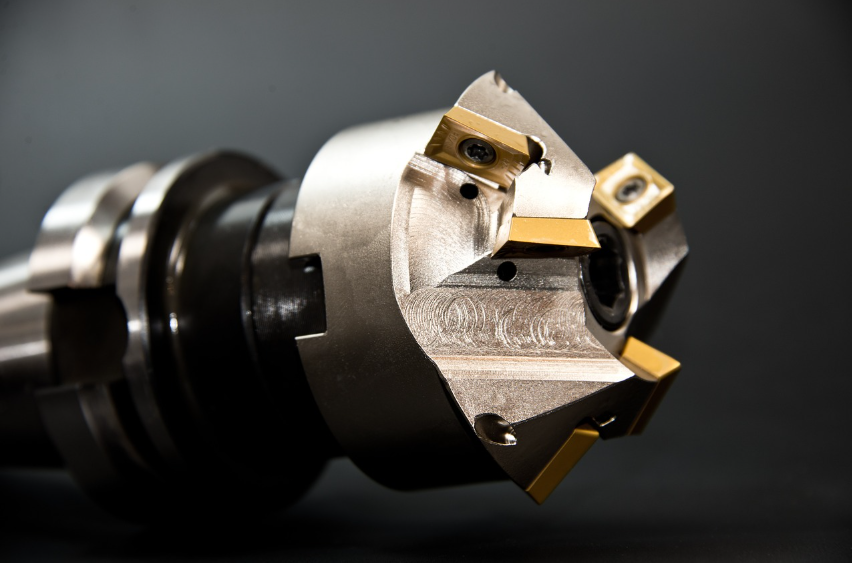
Why Carbide Inserts Matter
Carbide inserts are engineered for durability and performance. Made from tungsten carbide—a material known for its exceptional hardness and wear resistance—they outperform traditional high-speed steel tools in demanding applications. Whether you’re milling, turning, or drilling, the right insert can reduce downtime, improve surface finishes, and extend tool life. But with so many variables at play, how do you choose the best one for your operations?
Key Factors to Consider When Selecting Carbide Inserts
1. Material-Specific Inserts for Optimal Performance
The workpiece material is the starting point for selecting the right carbide insert. Different materials require specific insert grades and geometries. For instance:
lSteel and Stainless Steel Machining: Look for inserts with a sharp cutting edge and coatings like TiCN (Titanium CarboNitride) to prevent built-up edge and ensure smooth finishes.
lCast Iron Machining: Opt for inserts with high wear resistance, such as those with Al₂O₃ (aluminum oxide) coatings.
lHigh-Temperature Alloys and Exotic Materials: Choose inserts with superior heat resistance, like silicon nitride-based ceramics or CBN (Cubic Boron Nitride) grades.
Using material-specific inserts not only enhances efficiency but also minimizes tool wear and breakage.
2. Insert Geometry: The Shape of Success
The geometry of a carbide insert determines its cutting performance, chip control, and vibration resistance. Key geometries include:
lPositive Rake Angles: Ideal for finishing operations, as they reduce cutting forces and improve surface quality.
lNegative Rake Angles: Better suited for roughing applications, offering stronger cutting edges and higher durability.
lChip Breakers: These features help manage chip formation, preventing long, stringy chips that can damage the workpiece or tool.
For example, a high-positive geometry insert is perfect for aluminum machining, while a negative-rake insert excels in heavy-duty steel milling.
3. Coatings: Enhancing Durability and Performance
Coatings are critical for extending the life of carbide inserts. Common coatings include:
lTitanium Nitride (TiN): Provides general-purpose wear resistance.
lTitanium Aluminum Nitride (TiAlN): Offers excellent heat resistance, making it suitable for high-speed machining.
lDiamond Coatings: The go-to choice for non-ferrous materials like aluminum or composites.
Selecting the right coating can significantly reduce friction, dissipate heat, and improve overall machining efficiency.
4. Industry-Specific Recommendations
Different industries have unique demands. Here’s how to tailor your carbide insert selection:
lAerospace: Prioritize inserts that handle heat-resistant superalloys (HRSA) and titanium. Grades with high hot hardness and thermal shock resistance are essential.
lAutomotive: Focus on inserts for high-volume production, such as those with PVD coatings for consistent performance in cast iron or steel components.
lMedical Manufacturing: Precision is key. Choose inserts with fine-grained carbides and polished geometries for machining stainless steel or titanium implants.
lGeneral Machining: Versatile inserts with multi-layer coatings (e.g., TiCN + Al₂O₃) offer a balance of wear and thermal resistance.
Expert Tips for Maximizing Carbide Insert Performance
1. Match the Insert to Your Machining Operation: Whether it’s turning, milling, or drilling, ensure the insert’s geometry and grade align with the operation’s requirements.
2. Optimize Cutting Parameters: Adjust speed, feed, and depth of cut based on the insert’s specifications and the workpiece material.
3. Implement Proper Tool Maintenance: Regularly inspect inserts for wear and replace them promptly to avoid compromising quality.
4. Stay Updated with New Technologies: Advances in carbide insert materials, such as submicron grains and new coating technologies, can unlock new levels of efficiency.
Conclusion
Choosing the right carbide inserts is a science and an art. By considering factors like material compatibility, insert geometry, coatings, and industry-specific needs, you can optimize your machining processes and achieve superior results. Remember, the right insert isn’t just a tool—it’s an investment in productivity and precision.
Whether you’re a seasoned machinist or new to the field, these expert tips will help you navigate the complexities of carbide insert selection. For more insights on carbide insert grades, tooling solutions, or machining best practices, explore our blog or reach out to our team of specialists.